
About
Mental Health Literacy (MHL) refers to the knowledge and skills that help people understand mental health, recognize mental disorders, reduce stigma, and know how and where to seek appropriate support. (Kutcher, Wei, & Cognilio, 2016)
Mental Health Literacy helps individuals and communities develop greater awareness and understanding of mental health, recognize the signs of mental health concerns, respond in appropriate and helpful ways, and access support when needed. Strengthening mental health literacy promotes earlier recognition of mental health challenges, reduces stigma, and empowers people to support their own well-being, as well as the well-being of others.
Mental Health Literacy is based on over two decades of research and educational innovation, and is a globally recognized component of mental health promotion and early intervention. The MHL stream within the TIME4MH Initiative at the University of Alberta continues to build on and advance this work through ongoing research, education, collaboration, and knowledge sharing across schools, healthcare settings, and community organizations.
History
Mental Health Literacy (MHL) was first introduced in 1997 by Australian researcher Anthony Jorm, who described three core pillars: understanding mental health, recognizing mental health problems, and knowing how to seek help.
Canadian psychiatrist Dr. Stan Kutcher later expanded that framework by adding a fourth important pillar: reducing stigma, and played a key role in advancing mental health literacy education through research, collaboration, and the translation of MHL into practical school-based programs for educators and youth.
Today, the MHL framework is used internationally to promote early intervention through accessible, evidence-based education that strengthens mental health knowledge, reduces stigma, and encourages help-seeking, to support improved mental health outcomes for individuals and communities.
MHL Presentations
Our presentations are designed for educators, school staff, students, parents/caregivers, and youth-serving organizations. Each session is customized for the audience’s learning needs and can be delivered in-person or virtually, with flexible formats ranging from short workshops to full-day trainings.
All sessions provide ongoing support to help participants apply their learning. Through interactive, evidence-based content, these presentations build knowledge, reduce stigma, promote early help-seeking, and empower participants to support mental well-being in themselves and others.
MHL Presentations for:
- Educators
- School Staff
- Students
- Parents/Caregivers
- Youth-serving Organizations
Specialized MHL Presentations:
- Lockdowns Through a MHL Lens
- The Mental Health Literate Classroom
- Suicide Risk Management
- Teacher Well-being
- Understanding the Teenage Brain
- Understanding Stress and Anxiety
MHL Implementation and Consultation
The MHL stream within the TIME4MH Initiative works with school districts, education systems and youth serving agencies to support the implementation of mental health literacy approaches. This includes consultation on how to introduce mental health literacy initiatives, integrate resources into existing educational or agency structures, and support educators in applying mental health literacy practices in the classroom.
We also assist districts in evaluating their mental health literacy initiatives by helping to develop practical evaluation approaches that examine changes in knowledge, stigma, and help-seeking. This support helps ensure that mental health literacy efforts are implemented effectively and can be sustained over time.
Meet the Team
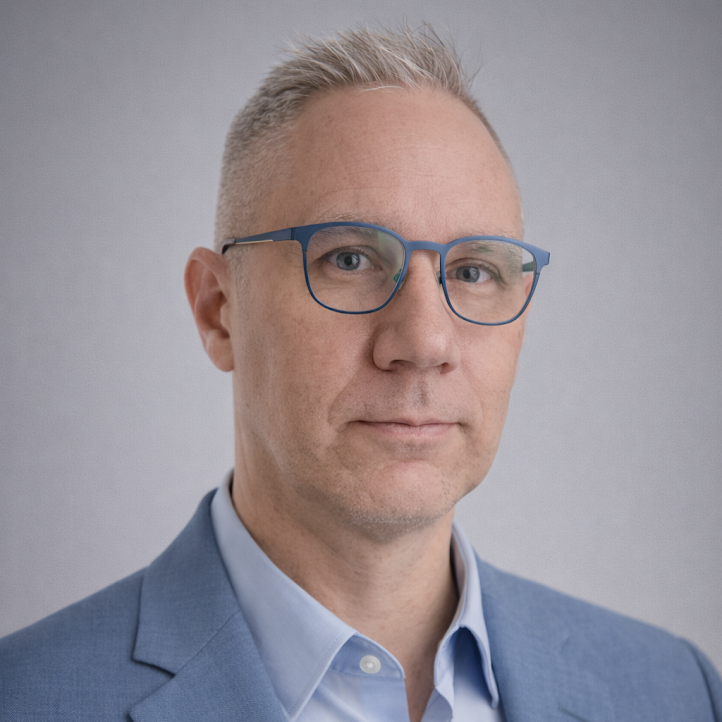
Andrew Baxter
MSW, RSW
Andrew Baxter is the Program Director of Mental Health Literacy (MHL) within the Team for Innovation in Medicine and Education for Mental Health (TIIME4MH) Initiative at the University of Alberta. His work focuses on the implementation and evaluation of evidence-informed mental health literacy approaches, examining their impact on knowledge, attitudes, and help-seeking across education, healthcare, and community service systems. The initiative is dedicated to enhancing mental health knowledge, improving recognition of mental disorders, reducing stigma, and promoting help-seeking, leading to earlier access to appropriate care for improved outcomes.
For more than a decade, Andrew has worked at the interface of research and practice, translating mental health evidence into scalable, system-level interventions. Since 2013, during his career at Alberta Health Services, he facilitated the implementation of mental health literacy initiatives reaching more than 50,000 educators across Canada, while also leading program launches in healthcare and community-based social service settings.
Andrew’s background as a mental health therapist working with children, adolescents, and young adults informs his applied approach. He has extensive experience consulting with educators, clinicians, and families, supporting the integration of mental health knowledge into real-world settings.
Internationally, he has collaborated with partners, including the Pan American Health Organization and education and health systems across the Caribbean, Europe, and Asia to adapt and implement mental health literacy initiatives in diverse contexts.

Yifeng Wei
PhD, MSc
Dr. Yifeng Wei, PhD is an Associate Professor and Research Director in the Department of Psychiatry at the University of Alberta. She is also the Research Lead for Mental Health Literacy (MHL) within the TIME4MH Initiative.
Dr. Wei is a leading expert in youth mental health, dedicated to improving outcomes for children, adolescents, and young adults by strengthening mental health knowledge and understanding within schools and communities. Her research focuses on the development, evaluation, and systemic implementation of evidence-based MHL interventions. By bridging the gaps between education, community services, and healthcare, her work aims to reduce stigma, facilitate early identification of mental health concerns, and increase help-seeking to support earlier access to appropriate care.
Dr. Wei has led and co-led the creation and scaling of several foundational MHL resources currently being used across Canada and globally, including the Elementary Mental Health Literacy Resource (Grades 4 - 6), Mental Health & High School Curriculum Guide (Grades 7 - 12), Know Before You Go (Grade 12), Transitions (Post- secondary youth). She has also contributed to stakeholder-focused initiatives, such as the Go-To Educator training program and educator web-based MHL resources, supporting educators, parents, coaches, public servants, and primary care providers in identifying youth mental health needs.
Prior to joining the University of Alberta, Dr. Wei worked for over a decade at Dalhousie University and the IWK Health Centre. During this time, she collaborated closely with Dr. Stan Kutcher as part of the Sun Life Financial Chair in Adolescent Mental Health team, playing a pivotal role in developing and evaluating school-based mental health literacy frameworks.
An accomplished scholar, Dr. Wei has also authored a book on school mental health, and more than 70 peer-reviewed publications and book chapters.

Divinea Miller
Program Assistant
Divinea Miller is the Program Assistant for Mental Health Literacy (MHL) within the TIME4MH Initiative at the University of Alberta. She provides essential support for MHL initiatives, partnerships, and resource development on both a national and international scale.
With a B.A. in psychology and over a decade of experience supporting diverse public and mental health initiatives at Alberta Health Services, Divinea brings a wealth of practical expertise to her work. Her focus remains on enhancing mental health education, reducing stigma, and supporting early, effective intervention strategies.

Kyla Vieweger
MSW, RSW, CPT
Kyla Vieweger, MSW RSW CPT, is a Research Coordinator for the Department of Psychiatry at the University of Alberta. As part of the mental health literacy team, she enjoys collaborating with key partners in resource writing, design, dissemination and evaluation. Within these roles, Kyla is most passionate about the knowledge translation process through a developmental lens.
Kyla brings a clinical mental health background in which she has worked therapeutically since 2007. Kyla has practiced in both school-based and community mental health settings, providing direct treatment across the spectrum of child development: from early childhood through to adolescence, including intervention and consultation with caregivers and educators alike. Kyla continues to be an active practitioner and clinic director in a private mental health clinic in Calgary, AB. She is also employed as contract faculty in the Department of Social Work and Child Studies at Mount Royal University.

Dr. Li Sha
PhD
Dr. Li Sha holds a Ph.D. in Educational Psychology from Simon Fraser University and completed postdoctoral research at the University of Pittsburgh’s Learning Research and Development Center (LRDC). Dr. Sha is a member of the American Psychological Association (APA).
His current work focuses on school-based mental health literacy, examining the structure of key components—mental health knowledge, stigma, and help-seeking intentions and behaviors—from theoretical and psychometric perspectives. He also investigates how these factors, along with self-efficacy and perceived stress, relate to demographic characteristics such as cultural background and prior mental health experiences.
His research is primarily quantitative, with expertise in survey design and psychometric evaluation. He applies advanced methods, including Item Response Theory (IRT), factor analysis (EFA, CFA), and structural equation modeling (SEM), and uses SPSS, R, and AMOS.
Guided by Social Cognitive Theory and Self-Determination Theory, his earlier research examined adolescents’ learning and motivation, particularly in self-regulated and collaborative contexts, emphasizing the role of agency and autonomy in shaping cognition, emotion, and behavior.

Lori Bain
B.Ed.
Lori Bain, B.A. Psychology, B.Ed., is a strategic advisor, advocate and educator who facilitates connections between mental health literacy initiatives and Calgary school communities. For over four years, she has generously contributed her expertise to the MHL Program, providing feedback and guidance to support the development of resources that create a meaningful impact. Her eight years of school council leadership, combined with nearly two decades of Human Resources management experience specializing in leadership development and workplace learning, bring valuable skills that strengthen MHL reach and effectiveness.
As a certified Core Trainer and Mental Health Literacy Facilitator, Lori is dedicated to helping people increase their understanding of mental health, reduce stigma, and recognize the importance of seeking support. She is passionate about supporting the development of resources that empower individuals with the knowledge, understanding and tools they need to thrive within their schools, families and communities.
Contact the MHL Team
For more information, or to request a presentation or consultation, please contact:
mentalhealthliteracy@ualberta.